Kitchen Upgrades That Are Usually Worth the Investment
Before choosing finishes or decorative details, consider how the kitchen works from day to day. Improvements that solve recurring frustrations usually provide more lasting value than changes made mainly for appearance. That makes function the best place to start.1. Improve the Kitchen Layout First
If your kitchen feels cramped or awkward, improving the layout may be one of the most valuable changes you can make. The goal is to create a natural flow between the refrigerator, sink, preparation area, stove, and pantry. When these zones work together, cooking and cleaning become noticeably easier.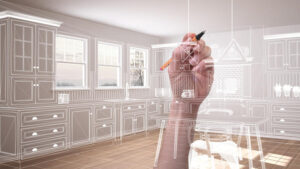 Improving the layout does not always mean moving every wall or appliance. Widening a walkway, reducing the size of an island, or extending a work surface may be enough to improve comfort. These changes can make a significant difference without requiring a complete reconfiguration.
Because the layout influences nearly every other decision, it should be resolved before spending heavily on finishes. A beautiful kitchen can still feel frustrating if work areas are cramped or people constantly block one another. Getting the structure right gives everything else a stronger foundation.
Improving the layout does not always mean moving every wall or appliance. Widening a walkway, reducing the size of an island, or extending a work surface may be enough to improve comfort. These changes can make a significant difference without requiring a complete reconfiguration.
Because the layout influences nearly every other decision, it should be resolved before spending heavily on finishes. A beautiful kitchen can still feel frustrating if work areas are cramped or people constantly block one another. Getting the structure right gives everything else a stronger foundation.
2. Add Storage That Solves Everyday Problems
Once the layout works well, storage becomes the next area worth improving. More cabinets can help, but simply adding space does not guarantee better organization. The real goal is to make frequently used items easier to reach and put away. Start by identifying the problems you experience now, such as crowded counters or cookware buried in deep cabinets. Then choose storage features that directly address those issues instead of adding accessories simply because they look clever. Useful options may include:- Deep drawers for pots and pans
- Pull-out trash and recycling storage
- Pantry drawers or sliding shelves
- Tray and baking sheet dividers
- Accessible corner storage
- Dedicated space for small appliances
3. Invest in Better Kitchen Lighting
Once the kitchen is easier to move through and organize, lighting can make the room more functional and inviting. Many older kitchens rely on a single central fixture, leaving work surfaces poorly illuminated. A layered lighting plan solves that problem by combining several sources for different tasks. A practical setup may include:- General ceiling lighting
- Under-cabinet task lighting
- Pendant lights over an island
- Accent lighting
- Dimmers for flexible brightness
4. Choose Durable Countertops for Daily Use
Countertops handle food preparation, spills, appliances, and constant daily wear, so durability should matter as much as appearance. Quartz is popular for its variety and relatively simple maintenance, while natural stone offers more character but may require more care. The right choice depends on how you use the kitchen and how much upkeep you are comfortable with. The smartest countertop is not necessarily the most expensive one. It is the surface that fits your cooking habits, cleaning routine, and expectations for durability. A beautiful material can quickly become frustrating if it requires more maintenance than you want.5. Prioritize Cabinet Quality Over Trends
Cabinetry takes plenty of daily wear, which makes construction quality especially important. Doors, drawers, hinges, and slides need to perform reliably for years, so sturdy hardware and durable cabinet boxes are often worth prioritizing. Features such as full-extension drawers and soft-close hinges can also improve everyday use. Style still matters, but it should not come at the expense of quality. Paint, hardware, and lighting are easier to update later, making them better places to experiment with trends.6. Upgrade the Sink and Faucet Thoughtfully
The sink and faucet are among the most frequently used fixtures in the kitchen, so practical details matter. Choosing the right sink size and configuration can make food preparation and cleanup easier, especially if you regularly wash large cookware. For the faucet, focus on durability and ease of use rather than unnecessary features. A reliable model with a pull-down sprayer may provide more everyday value than one packed with technology you rarely use.7. Upgrade Appliances Based on How You Actually Cook
Appliances are one of the easiest places for a remodel budget to grow quickly. Premium models may provide better performance or advanced features, but those benefits only matter if they match your habits. Buying the most expensive option does not automatically create a better kitchen. Before upgrading, consider whether you genuinely need features such as:- Six burners instead of four
- Multiple ovens
- An oversized refrigerator
- A built-in coffee system
- Specialty refrigeration drawers
Connect with Our Local Remodeling Experts
Kitchen Upgrades You Can Often Skip
Once the essentials are addressed, it becomes easier to identify features that may not deserve a large share of the budget. Some additions look impressive in photos but provide limited practical value in everyday life. Being selective can protect the budget without making the kitchen feel incomplete.1. Skip an Oversized Kitchen Island
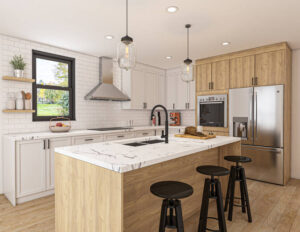 A kitchen island can provide useful countertop space, storage, seating, and a natural gathering point. However, making it larger than the room can comfortably support may create more problems than it solves. Narrow walkways and blocked appliance doors can quickly undermine its benefits.
The right island should support the kitchen rather than dominate it. In smaller spaces, a compact island, peninsula, or additional perimeter cabinetry may work better. Bigger is only better when the room can comfortably accommodate it.
A kitchen island can provide useful countertop space, storage, seating, and a natural gathering point. However, making it larger than the room can comfortably support may create more problems than it solves. Narrow walkways and blocked appliance doors can quickly undermine its benefits.
The right island should support the kitchen rather than dominate it. In smaller spaces, a compact island, peninsula, or additional perimeter cabinetry may work better. Bigger is only better when the room can comfortably accommodate it.
2. Skip Trendy Features That Are Expensive to Replace
Design trends can bring personality into a kitchen, but where you use them matters. A bold wall color or pendant light is relatively easy to change, while an unusual countertop or highly specialized cabinet finish is far more permanent. That difference becomes important as styles evolve. If you want to incorporate current trends, consider using them through:- Cabinet hardware
- Pendant lighting
- Wall color
- Bar stools
- Decorative accessories
- Window treatments
3. Skip Storage Accessories You Will Rarely Use
Customized storage can make a kitchen easier to organize, but not every clever accessory earns its place. Showrooms often feature specialized racks, inserts, and pull-outs designed for very specific tasks. Some are genuinely useful, while others may simply occupy valuable cabinet space. Before adding one, think about what you actually struggle to store. A dedicated spice drawer may be worthwhile for someone who cooks often, while an elaborate pull-out may offer little advantage over a standard drawer. The feature should solve a real problem.4. Skip Smart Features That May Age Quickly
Technology can add convenience, but it usually ages much faster than cabinetry and countertops. A kitchen may remain in place for 15 or 20 years, while app-connected appliances and built-in touchscreens can feel outdated much sooner. That makes permanent technology worth approaching carefully. Smart features make the most sense when they support a routine you already have. When possible, choose devices that can be replaced independently rather than permanently integrating them into cabinetry or surfaces. This allows the kitchen to evolve without requiring another remodel.5. Skip Luxury Upgrades Before Fixing the Fundamentals
Premium finishes and high-end appliances can be enjoyable, but they should come after the fundamentals work properly. An expensive range will not solve poor lighting, awkward walkways, inadequate ventilation, or insufficient countertop space. Those issues influence daily use far more than a luxury statement piece. Prioritize the layout, storage, lighting, cabinetry, surfaces, fixtures, and essential appliances first. Once those areas are working well, you can decide whether the remaining budget should go toward premium extras. This order helps ensure the kitchen feels better rather than simply looking more expensive.Build Around How You Really Live